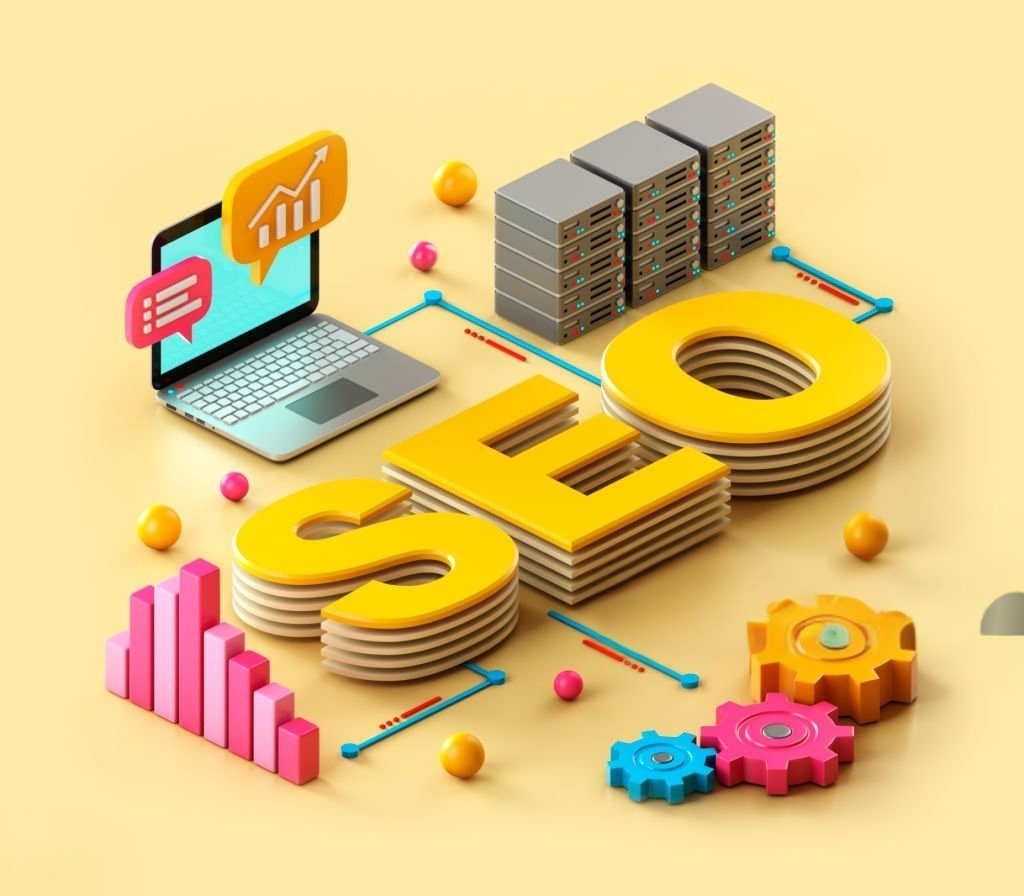
What is SEO?
Search Engine Optimization (SEO) is the process of improving a website’s visibility on search engines like Google, Bing, or Yahoo. In simple terms, it’s about making your website easier to find when users search for keywords related to your products, services, or content.
The better your SEO, the higher your site ranks — leading to more traffic, more leads, and ultimately, more sales.
Why is SEO Important?
In today’s digital age, 90% of online experiences begin with a search engine. If your business isn’t visible on search results, you’re missing valuable opportunities.
Here’s why SEO matters:
- Increases organic traffic (free, non-paid visitors)
- Builds brand credibility and trust
- Improves user experience (UX)
- Boosts ROI compared to paid ads
- Helps understand audience behavior through analytics
Types of SEO
To rank effectively, marketers use different SEO strategies that work together to enhance a site’s performance.
1. On-Page SEO
Focuses on optimizing the content and structure of your website.
Key elements include:
- Keyword research and placement
- Optimized titles, meta descriptions, and headings
- Internal linking and URL structure
- Image optimization with ALT tags
2. Off-Page SEO
Refers to actions taken outside your website to improve authority and trust.
Key techniques:
- Backlink building from reputable sites
- Social media sharing
- Guest blogging
- Influencer collaborations
3. Technical SEO
Ensures that search engines can crawl and index your site effectively.
Important aspects:
- Mobile-friendliness
- Fast loading speed
- Secure connection (HTTPS)
- XML sitemap and structured data
How SEO Works?
Search engines use crawlers (bots) to scan websites and index their pages. Then, an algorithm ranks pages based on relevance, quality, and authority.
To rank higher, your content must:
- Match user intent
- Provide valuable and original information
- Load quickly on all devices
- Be supported by quality backlinks
Tools That Help in Search Engine Optimization
To make SEO easier and more effective, marketers use tools like:
- Google Search Console – Monitor performance and fix indexing issues
- Ahrefs / SEMrush – Keyword and competitor analysis
- Yoast SEO – On-page optimization for WordPress
- Google Analytics 4 (GA4) – Track and measure website traffic
Best SEO Practices for 2025
As algorithms evolve, SEO continues to change. Here are the top trends to focus on this year:
- Optimize for voice search
- Use AI-powered SEO tools
- Focus on E-E-A-T (Experience, Expertise, Authoritativeness, Trustworthiness)
- Create mobile-first content
- Leverage long-tail keywords for specific search intent
Final Thoughts
SEO is not just about ranking high — it’s about creating value for your audience. When you focus on user experience, quality content, and smart optimization, your brand naturally builds authority online.
Investing in SEO is a long-term strategy, but the results — consistent traffic, higher conversions, and stronger brand presence — are worth every effort.